


Maryland storms can leave your roof damaged, with bent or missing shingles, damaged flashing, and overflowing gutters. Summer thunderstorms bring straight-line winds and hail, while winter ice and snow add their own unexpected roof damage each year.
If a storm has hit your roof, the steps you take in the first few days matter. This checklist helps you protect your home and your insurance claim before you make that call. Need assistance? Politz Enterprises has been serving Frederick, MD since 1963 and offers storm damage roof repair for homes in the area.
Please note: This is general information, not legal or insurance advice. Your insurer makes all coverage decisions.
Key Takeaways
- Photograph and record everything before any cleanup
- Make temporary repairs only to prevent more damage, and save every receipt
- Review your policy, deductible, and any wind or hail provisions
- Get an inspection from a licensed local roofer
- Be cautious of out-of-town storm chasers
Step 1: Document the Damage Before Anything Is Moved
Good documentation is the foundation of a strong claim.
Start outside. Take wide shots of each side of the house, then close-ups of missing or creased shingles, damaged flashing, gutters, and siding. Include the ground, such as shingle pieces, granules in downspouts, and fallen branches.
Next, document the inside. Photograph ceiling stains, damp drywall, attic moisture, and wet insulation. Label each photo with the date and room.
Keep a written record. Note the date and time of the storm, what you saw, and when you first noticed the damage. Log every call with your insurer.
Save evidence from the storm itself, including weather alerts, news coverage, and NOAA storm reports for Frederick County. Note any damage you see on neighboring homes.
Finally, save “before” photos. Real estate listings, past inspection reports, and older pictures of your home can show your roof’s condition before the storm.
Step 2: Prevent Further Damage
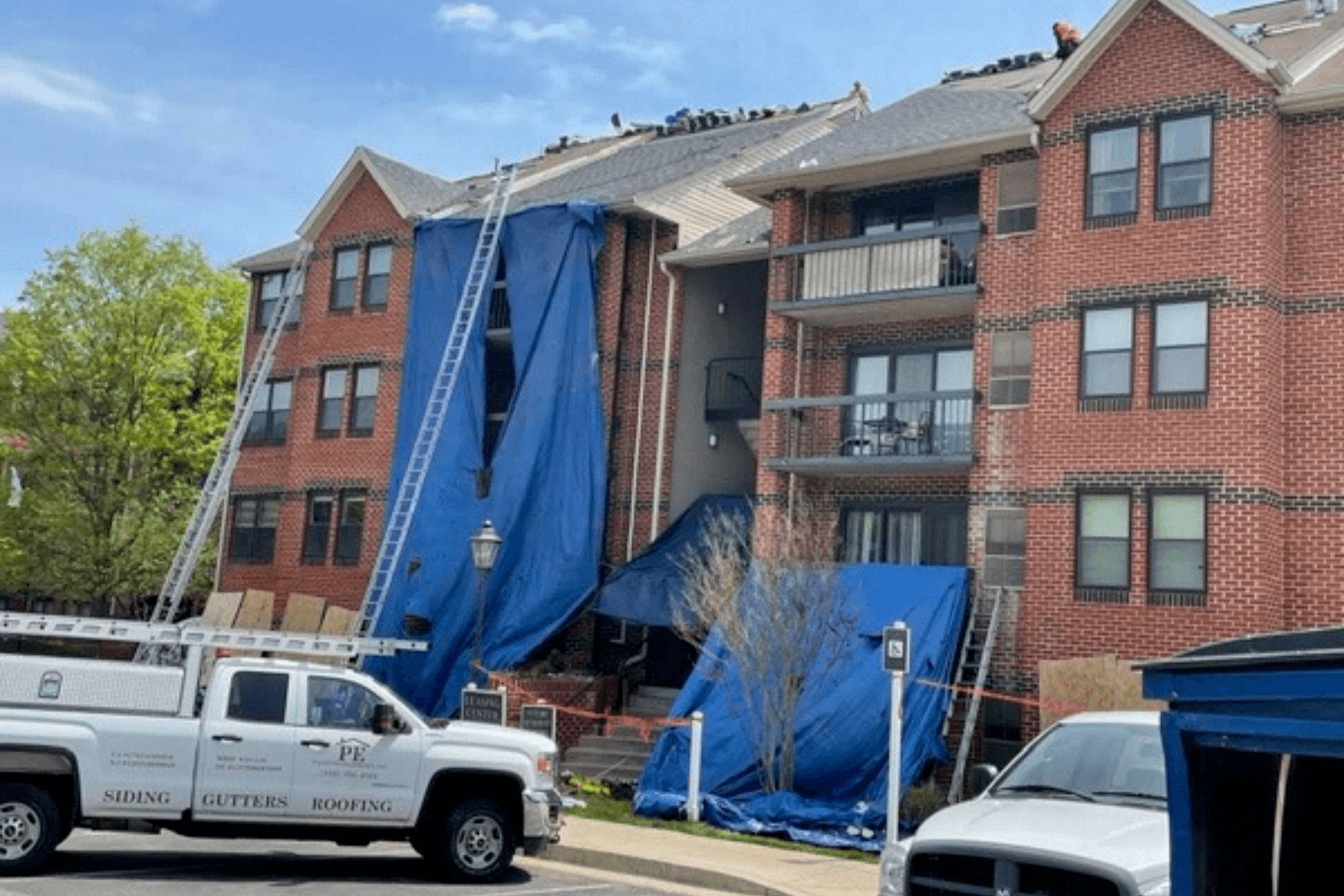
Insurance policies generally expect you to take reasonable steps to stop more damage. Tarping, boarding up, and water extraction are advised. Save every receipt, and photograph the damage before you cover it. Keep any damaged materials you remove.
Avoid permanent repairs or replacements until the adjuster has inspected the roof. Politz Enterprises offers emergency storm repairs — give us a call if you are worried about storm damage and need storm repairs. Because we work closely with insurance companies, we can help document everything for your claim.
Step 3: Review Your Homeowners Insurance Policy
Read your policy before you file your claim. Check for:
- Coverage type: replacement cost or actual cash value of what was damaged
- Your standard deductible
- Whether a separate wind, hail, or named-storm deductible applies
- Any roof-age or roof-surface endorsements
- Claim reporting deadlines
- What’s excluded: wear and tear and maintenance issues are typically not covered as storm damage
The Maryland Insurance Administration publishes consumer guidance for homeowners. Check its website for the current resources when you’re dealing with a storm damage claim.
Step 4: Get a Professional Roof Inspection
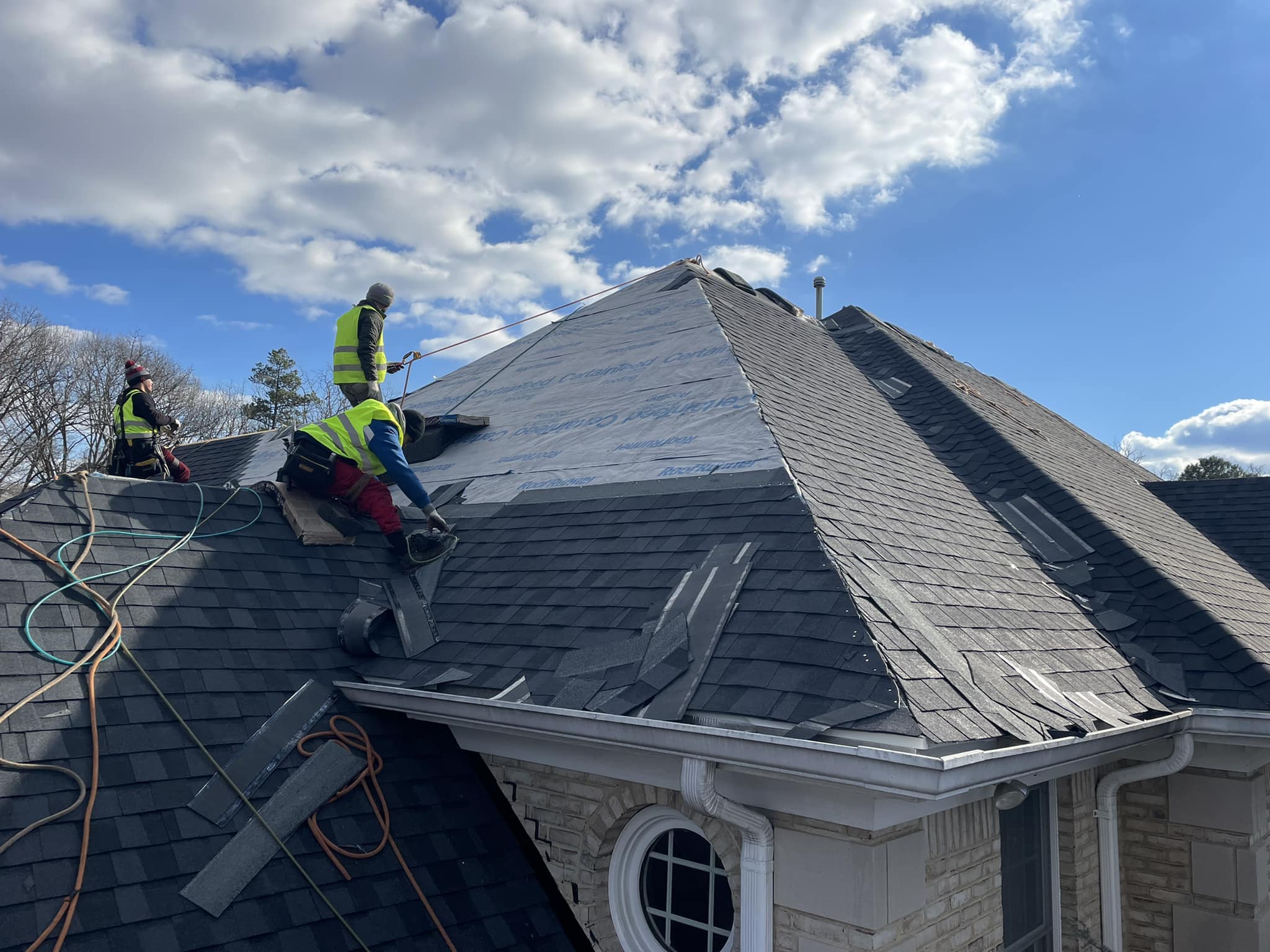
Hail bruising, lifted shingle seals, damaged flashing, and attic moisture are hard to spot from the ground — a professional roofing company can catch signs of damage before it gets worse. A Politz Enterprises inspection covers the roof, flashing, vents, gutters, siding, and evidence in the attic. If we spot any damage, we can provide a free estimate with photos and a written scope of damage to include with your claim.
Step 5: Decide Whether to File a Claim
Damage that exceeds your deductible may be worth claiming. Damage below the deductible usually isn’t. A claim can affect future premiums or renewals, so think it through. An insurance agent can help you weigh the options. You can also document the damage without filing a claim. If repairs fall below your deductible or insurance doesn’t cover the full cost, financing options may help.
Step 6: File the Claim and Prepare for the Adjuster
Report the loss promptly, since many policies have notice requirements. Organize your records into folders: exterior photos, interior photos, weather evidence, correspondence, receipts, and contractor reports. Give the adjuster copies and keep the originals. Ask your contractor to be present at the inspection, and keep notes on every interaction with the insurer.
Common Mistakes Homeowners Make
- Waiting too long to document or report
- Photographing only the most obvious damage
- Removing damaged materials or making permanent repairs before inspection
- Signing contracts before understanding them
- Not keeping records of calls and receipts
- Assuming small leaks aren’t worth reporting
Beware of Storm Chasers!
Out-of-area contractors often show up after major storms with quick fixes and fast deals. Before you hire anyone, check for a Maryland Home Improvement Commission (MHIC) license, proof of insurance, a local business address, written estimates, references, and a clear warranty. Avoid any contractor who pressures you to sign on the spot or asks for a large payment up front.
Trust Local
Politz is a family-owned company that has served the Frederick area since 1963. We are licensed and insured in Maryland. Learn more about our licenses and certifications. Politz serves Frederick and nearby communities, including Mt. Airy, Gaithersburg, Germantown, Rockville, Bethesda, Olney, Columbia, Ellicott City, and Sykesville. We also serve parts of Virginia and West Virginia. Call to learn more about out of state service.

Frequently Asked Questions
What should I do first after a storm damages my roof?
Photograph and record the damage before anything is moved. Then take reasonable steps to prevent more damage without investing in permanent repairs.
Should I call my insurance company or a roofer first?
Many people call their insurer first to report the loss, then schedule an inspection. Check your policy’s notice requirements.
Can I make temporary repairs before the adjuster arrives?
Usually yes, as long as they only prevent further damage. Save receipts and photos, and avoid permanent repairs until the adjuster has seen the damage.
How long do I have to file a roof storm damage claim in Maryland?
Check your policy and your insurer for the deadline. Confirm any Maryland-specific timeline before you rely on it.
Does homeowners insurance cover wind and hail damage to a roof?
Many policies do, but coverage depends on your policy’s terms, deductibles, and exclusions.
Will my insurance cover a full roof replacement?
It depends on the extent of the damage, your policy, and your insurer’s decision.
Can a roofer talk to my insurance adjuster?
A roofer can attend the inspection and point out damage. A roofer cannot decide coverage or negotiate your policy.
Will filing a roof claim raise my insurance rates?
It might. Ask your insurance agent how a claim could affect your premium.
How do I know if a roofer is legitimate after a storm?
Verify the MHIC license, insurance, local address, written estimates, references, and warranty before signing anything.
Need Help After a Storm? Call Politz Enterprises
If you have roof damage due to a local storm, call us for assistance! Start by documenting the damage, protecting the roof from more harm, reviewing your policy, and getting a licensed inspection. We proudly offer roof repair or replacement, gutters, and siding in one place from one trusted company.
Politz Enterprises does not adjust, interpret, or guarantee insurance claim outcomes.