


Your roof protects your home from rain, snow, wind, and other hazardous weather conditions. With the high humidity and extreme temperature fluctuations, the roofing structure can begin to break down. Under the shingles and underlayment is the roof deck, often made from plywood or Oriented Strand Board (OSB) panels. These span the length of the roof’s trusses and serve as the roofing foundation. When this layer gets moisture or high humidity, it remains wet and starts to rot.
Roof deck rot can be expensive roof damage that homeowners don’t prepare for. Roof deck rot is hidden out of sight and develops slowly over time. You may not notice it until your roofline starts to sag or you see soft spots on your roof. When this means the roof deck rot has already spread throughout the foundational layer.
Politz Enterprises is here to help. We’ve replaced roof decking and handled roof deck rot repairs on thousands of homes throughout Frederick, MD, and the surrounding region. We’ve seen firsthand what happens when rot goes undetected for years and why homeowners need to act fast. Avoid collapsed decking, saturated insulation, and repair bills that could have been a fraction of the cost with earlier action.
Types of Roof Rot
There are two primary types of roof rot: wet rot and dry rot.
Wet rot is more common. It affects wood that remains consistently damp, causing it to soften over time. It often appears as black discoloration in areas exposed to excessive moisture and may feel soft or spongy to the touch. Wet rot needs a continuous moisture source to keep spreading. If you remove the water problem, wet rot generally stays contained to the originally affected area.
Dry rot is more dangerous than wet rot. Dry roof rot still needs moisture to take hold, but not a lot. Once dry rot has started, the fungus breaks down timber and actually generates its own moisture in the process. This allows the dry rot to keep spreading even after the original leak or moisture problem has been fixed. Dry rot can travel through masonry, metal, and other non-wood materials in search of fresh timber to consume. Damage from roof rot can appear beyond the spot where moisture first appeared.
How Roof Rot Develops
Both dry rot and wet rot share the same root cause: moisture. The most direct cause of roof rot is roof leaks; even a small leak can introduce enough moisture to start the roof rot process.
Poor attic ventilation can also trap warm, moist air, which condenses on the cooler underside of the roof deck, fostering fungal growth. Other common causes include damaged or improperly installed flashing around chimneys, skylights, and vents, as well as ice dams. When warm attic air melts roof snow that then refreezes at the eaves, ice dams form. These ice ridges act as dams, preventing runoff. As more snow melts above the dam, water has nowhere to go and sits on the roof, seeping under shingles and into the decking, rotting the wood from above. This is why preventing ice dams in the winter is so important for homeowners.
How to Spot Rot on Your Roof
Damaged roof decking is hidden beneath shingles and above the attic insulation, making it difficult for homeowners to detect before it becomes serious. There are several warning signs you can watch for to detect roof rot early, both from inside your attic and around the exterior of your home.
Water Stains in the Attic
When your roof decking begins to rot, the wooden boards at the top of your attic will show water stains. These stains typically appear as dark areas, indicating that moisture has crept into your decking. Don’t ignore these stains even if they appear dry – the damage may already be starting.
Soft, Spongy, or Crumbling Wood
If you inspect the inside of your attic and the underside of your roof deck feels soft, spongy, or crumbly, or if you notice dark spots or discoloration, you likely have roof deck rot. You can conduct a simple test by pressing a screwdriver or similar tool into the wood — if the screwdriver penetrates easily and feels soft or crumbly, the wood is likely rotting.
Sagging or Bulging Roof Deck
A sign of more severe damage is visibly bulging or bowing of the roof, where the sheathing has absorbed moisture and either expanded, pushing the shingles upward on the outside, or sagged down between the rafters. If you or a contractor can feel soft, spongy, or springy areas when walking on the roof, the underlying decking has likely rotted from prolonged moisture exposure. This condition requires immediate attention to prevent structural collapse.
Peeling Paint on Exterior Trim or Fascia
Peeling paint is often the first visible sign of wood rot on exterior trim or fascia, caused by water penetration and subsequent drying. If the paint on your fascia is bubbling, cracking, or flaking — especially in one concentrated area — moisture is almost certainly getting underneath and breaking down the wood. This is an easy-to-spot warning sign that moisture problems may be working their way deeper into your roof structure.
Musty Odors and Mold Growth
Excess moisture in the roof decking creates an ideal environment for mold and mildew. If you detect a musty smell in your attic or see fuzzy black, green, or brown patches on wood, rafters, or insulation, treat it as a warning sign. Attic mold almost always means the wood has been persistently wet, and roof rot is present.
Pay close attention to where the mold appears: growth that traces the underside of the decking in broad patches, or clusters near ridge lines, above bathrooms, or in poorly ventilated corners, often signals chronic condensation rather than a one-time leak. That kind of steady, repeated moisture exposure is one of the most reliable predictors of rot. Beyond structural damage, mold in the attic can also affect your home’s air quality and may worsen respiratory conditions for sensitive household members.
Visible Discoloration or Fungal Growth
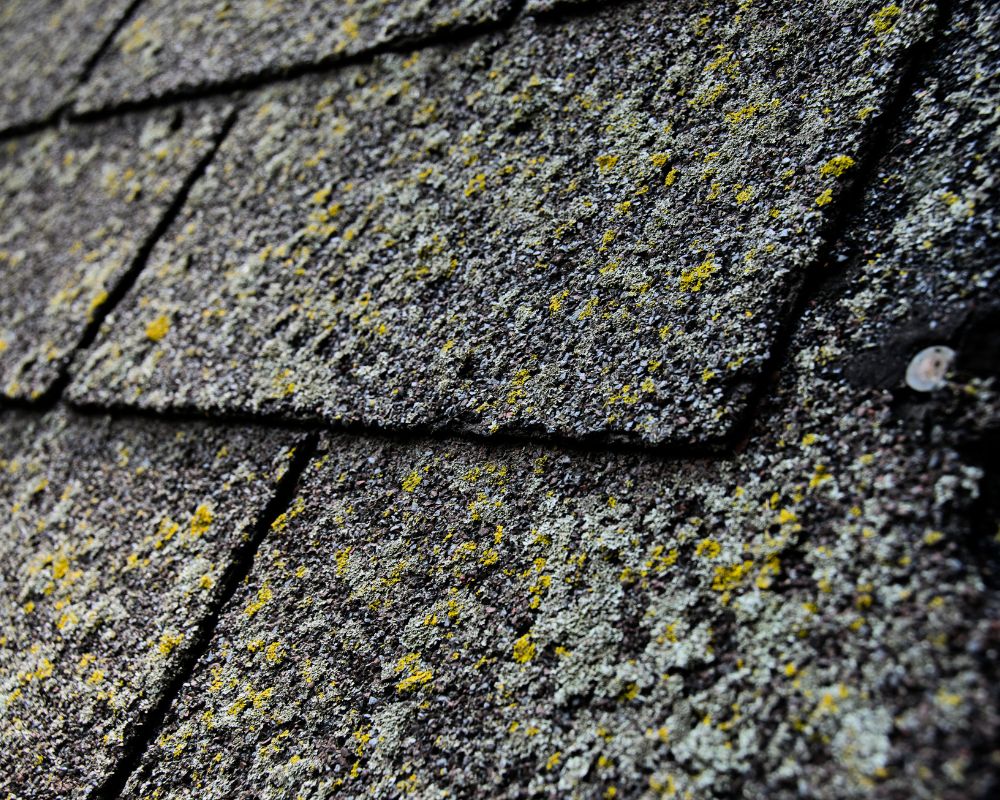
Wet wood rot tends to appear discolored or darker than the surrounding roof, while dry wood rot tends to look like a fungal growth, making the wood cracked and dry. Dry rot can also produce a reddish-brown dust, which is actually fungal spores. You might find this dust near infected wood or on surrounding surfaces. In advanced stages, dry rot produces a mushroom-like growth called a fruiting body.
If left unaddressed, wood rot can spread from the roof deck to rafters, trusses, walls, and even the foundation, jeopardizing your house’s structural integrity. Saturated insulation loses its ability to regulate temperature, driving up heating and cooling costs.
The good news: most of this is preventable. Keeping gutters clear, ensuring your attic has proper ventilation, and scheduling a professional roof inspection once a year (and after any major storms) goes a long way toward catching moisture problems before they become rot problems.
Call Politz for a Roof Inspection
Roof deck rot can be hard to detect. In most cases, repairs are not enough, and the damaged decking must be cut out and replaced. While replacing deck boards and even the full roof is a big job, it is far less expensive in the long run than letting rot spread into structural framing or insulation. Addressing deck rot early helps avoid costly repairs such as drywall or insulation replacement, or even structural reinforcement.
If you’ve noticed water stains in your attic, peeling fascia paint, a musty smell, soft spots on the roof deck, or visible discoloration, don’t wait to get it checked out. The sooner roof rot is caught, the less it costs to fix and the less structural damage your home sustains.
If you suspect roof deck rot and need an inspection in Maryland, Virginia, or West Virginia, Politz Enterprises is the team to call.
About Politz
Politz Enterprises has been serving homeowners throughout Frederick, MD, and the surrounding tri-state area — Maryland, Virginia, and West Virginia — for years. We’ve replaced thousands of roof decks and know how to spot rot that other inspectors miss. When we come out, we’re not just looking at your shingles. We’re checking your attic, your decking, your flashing, and the areas most prone to moisture buildup. We’ll tell you exactly what we find, what it means, and what it will take to fix it.
Don’t let roof deck rot turn into a five-figure repair. Contact Politz Enterprises today to schedule your roof inspection.