


Roof flashing is the protective material installed around the spots on your roof where water is most likely to get in: seams, pipes, skylights, and where one roof slope meets another. The flashing directs water away from those weak points to help protect against roof leaks. Because roofs are not one solid piece, but made up of materials and panels, flashing is critical for roof protection.
Flashing is most commonly installed around chimneys, roof valleys, skylights, plumbing vents, roof-to-wall intersections, dormers, and roof edges. Over time, flashing can bend, crack, corrode, loosen, or be improperly installed. Once it fails, water can slip under the roofing and reach the wood, insulation, and ceilings below. If this happens, your decking becomes compromised and you may experience major water damage.
Learn the common signs of a roof leak due to damaged flashing, how to repair flashing, and when it’s time for a replacement. Need roof repairs or a roof leak inspection in Maryland? Politz has you covered. Politz Enterprises Roofing is a local, family-owned roofing company serving Frederick and communities throughout Maryland since 1963. We have unbeatable expertise and are here to help you.
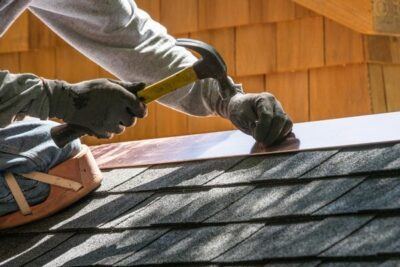
What Does Roof Flashing Do
Flashing covers roofing seams and transitions so rain runs over them instead of into or under them. It works with shingles, underlayment, and sealants. It is one part of a larger roofing system and is not a waterproofing solution on its own. However, it is a key point in water protection, especially in extreme weather.
Why Maryland Homes Need Flashing
Some roof spots need extra protection because water collects or changes direction; you find this where the roof meets a wall, around chimneys and vents, around skylights, and in valleys. Flashing is that extra layer of protection to stop water damage. Especially when you’re dealing with Maryland weather, which adds additional stress to roofing systems. Heavy rain and wind, snow, ice, and freeze-thaw cycles all test seams. Summer heat and storm debris can crack sealants and loosen metal.
Where Is Roof Flashing Installed
- Chimney flashing seals where the chimney meets the roof and is a common source of leaks
- Step flashing seals roof-to-wall joints, which are hard to inspect from the ground
- Valley flashing handles the large amounts of water that drain into a roof valley
- Penetration flashing protects vents, skylights, and HVAC components where pipes or equipment pass through the roof
Why Does Roof Flashing Leak
Flashing usually fails for one or more of these reasons:
- Poor installation that leaves gaps or weak points, even on newer flashing
- Loose flashing, from wind, weather, or worn fasteners
- Bent or dented metal, from hail, branches, debris, or foot traffic
- Corrosion and rust that weaken the metal over time
- Failed sealant that cracks or pulls away, letting water in
- Damaged nearby shingles that send water toward the flashing
- Storm damage from high winds or debris impact
- An aging roof where all the components wear down together
Note: A flashing leak is not always caused by the flashing alone. A professional should also check the surrounding roof for additional damage or repairs.

What Are the Signs of a Roof Flashing Leak
- Watch for water stains on ceilings or walls*
- Damp spots after rain, peeling paint, and mold or mildew
- Outside, look for bent, dented, or loose flashing
- Inspect for gaps around vents and skylights
- Check for shingle damage near the flashing
- Attic moisture is another clue you have a flashing leak
*Keep in mind that an interior stain may not show the exact leak location. Water can travel along rafters before it becomes visible inside. Caulking the visible spot may not fix the problem.
Can Damaged Roof Flashing Cause Bigger Problems
Yes. A typical progression runs from damaged flashing to water intrusion, then wet roofing materials, wood damage, mold, and eventually larger roof repairs. Left alone, a leak can damage decking, rafters, insulation, ceilings, interior walls, and siding. A small leak does not always mean a small repair, so finding the source early matters.

Can You Repair Roof Flashing Yourself
You can safely do some basic checks for flashing leaks to figure out what repairs are needed. From the ground, look for obvious damage around the flashing or on the roof itself. Inside, check the attic for moisture and look for water stains. Take photos of anything you see.
Roof work itself is different and requires a professional. Surfaces can be slippery, flashing is often in hard-to-reach spots, and a bad repair can trap water in the roof. Let a professional inspect the roof and decide whether it needs repair or replacement.
Does Roof Flashing Need to Be Repaired or Replaced
Flashing may be repairable when damage is limited to one area, the surrounding roofing is in good shape, and the roof hasn’t suffered major water damage. Flashing may need replacement when it is badly corroded or damaged, connections have failed, the roof structure has been affected, or the roof is near the end of its life.
Not every flashing problem means a new roof. Politz takes a consultative approach: inspect first, then recommend the right fix. For more on the roof itself, see understanding your home’s roof.
How Politz Roofing Finds a Flashing Leak
A thorough inspection covers the visible roof (shingles, flashing, penetrations, valleys, wall transitions, chimneys, and skylights) and the attic and interior, where the team looks for moisture, staining, and water paths. We then determine whether the problem is isolated or has spread to nearby shingles or the roof deck. For rotted decking, see roof deck rot signs and repair.
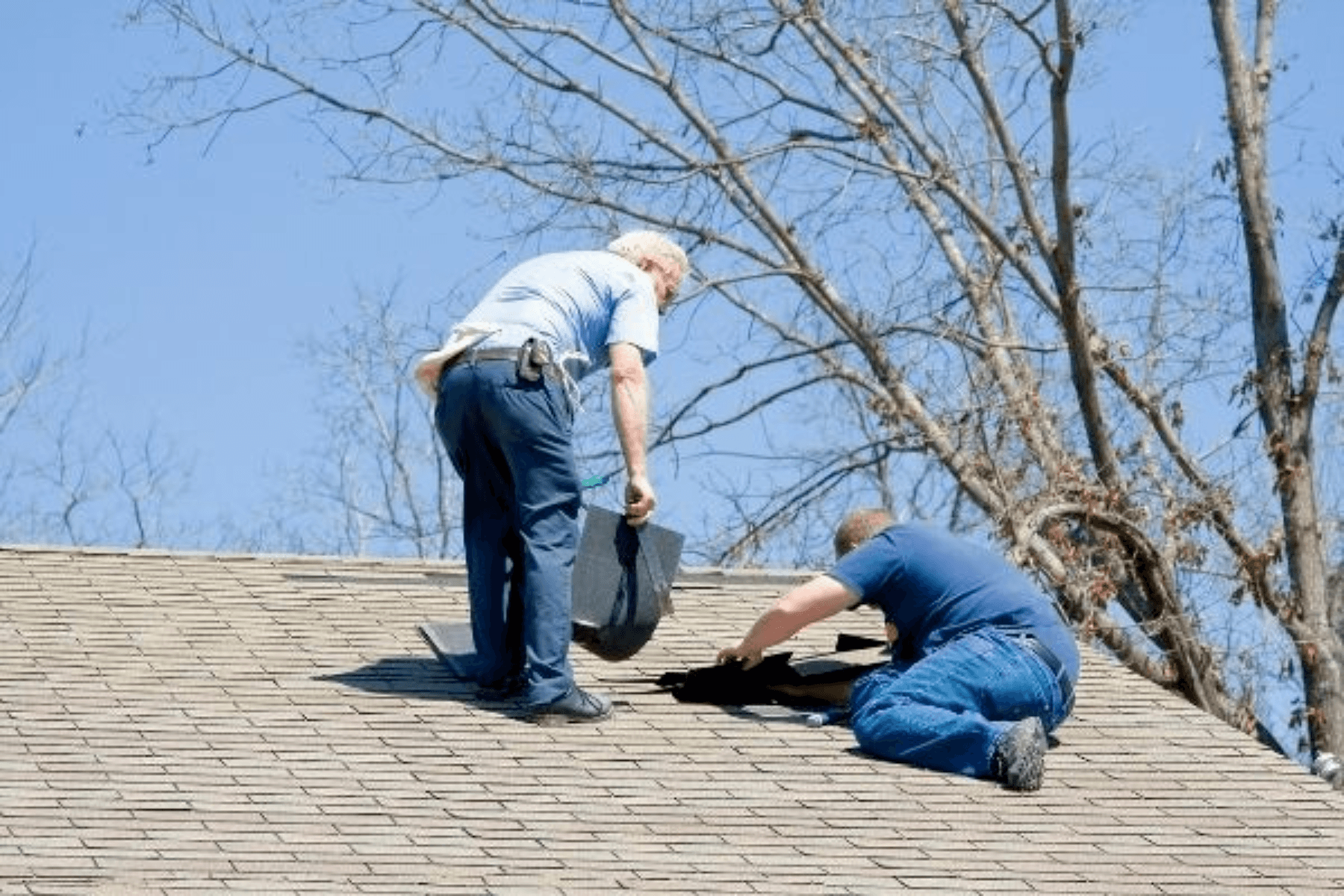
Don’t Ignore a Roof Flashing Leak!
Flashing is one of your roof’s main defenses against water. Don’t wait for a ceiling stain to become a major leak. If you see visible flashing damage or a leak that keeps coming back, have it checked.
If you’re in the Frederick area or elsewhere in Maryland, contact Politz for a professional inspection and a free estimate.
Frequently Asked Questions
What is roof flashing?
A protective material installed where water is most likely to enter the roof. It directs water away from seams, joints, and openings.
Can roof flashing be repaired?
Yes, when damage is localized. Severely deteriorated flashing usually needs replacement.
How much does it cost to repair roof flashing?
Cost depends on location, the extent of damage, accessibility, roofing material, any underlying water damage, and whether other parts need work. Request an estimate for an accurate number.
How long does roof flashing last?
It depends on the material, installation quality, weather exposure, maintenance, and the condition of the surrounding roof.
Should I replace flashing when I replace my roof?
Usually yes. Replace damaged, worn, or incompatible flashing so the new roof works as intended.